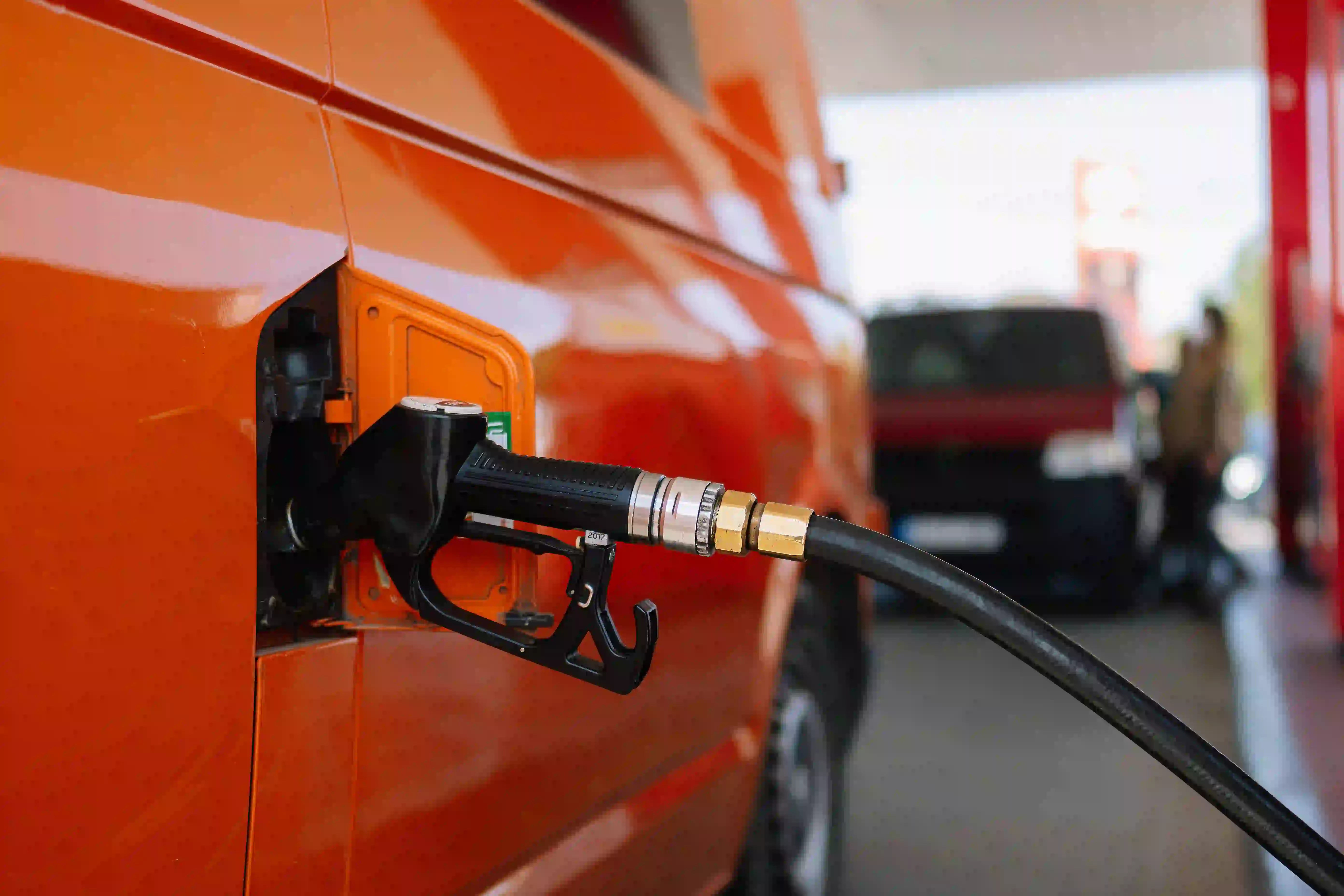

Fuel remains one of the largest operational costs within fleet management, with ongoing volatility in global oil markets continuing to place pressure on fleet budgets. Rising fuel prices across the UK have increased scrutiny on fuel usage, vehicle efficiency and the operational behaviours contributing to unnecessary consumption. For fleet operators managing large vehicle volumes, even small inefficiencies in fuel management can create significant long term cost exposure.
For fleet operators, pump prices sit outside their direct control. What is within their control is how accurately consumption is tracked, how consistently mileage claims are verified against actual vehicle usage and how effectively driver behaviour is monitored to support efficiency.
Most fleet operations have fuel tracking processes in place. The question is whether those processes are producing a fuel cost picture that is accurate enough to act on.
Fleet fuel management software that consolidates transaction data, monitors consumption patterns and validates claims against actual vehicle usage gives operators a clearer and more accurate view of fuel spend across the fleet. With connected reporting and structured oversight, businesses are better positioned to control unnecessary costs, identify irregularities and maintain tighter operational control regardless of fuel price volatility.
The External Pressure on Fleet Fuel Costs
The current fuel price environment is placing fleet budgets under sustained pressure. As reported by Fleet News in April 2026, Brent crude remains 30% more expensive than it was before hostilities commenced on 28 February 2026. The RAC has indicated that drivers should not expect significantly cheaper fuel in the short term.
Fleet fuel costs that were manageable at lower price levels become considerably more exposed when prices rise sharply. The operators best positioned to control fuel costs are those with a clear understanding of how fuel is being used across the fleet, including which vehicles are consuming the most, which drivers are contributing to higher usage and which routes are creating avoidable inefficiencies.
Where Fleet Fuel Tracking Breaks Down
Most fleet operations have some form of fuel tracking in place. The problem is not the absence of data, it is that the data sources rarely connect.
A transaction recorded on a fuel card shows the volume purchased, the location and the cost. It does not automatically confirm that the volume purchased corresponds to the capacity of the vehicle that made the transaction, that the fuel type matches the vehicle specification or that the mileage claimed by the driver aligns with the distance recorded by telematics.
Each of those discrepancies represents a category of financial exposure that goes undetected when data sources operate independently.
Fleet fuel tracking that integrates card transaction data with telematics records and vehicle specifications resolve this by cross-referencing all three automatically. Anomalies are surfaced as they occur rather than being absorbed into the general fuel spend figure. Over time, the patterns that emerge from that cross-referencing inform procurement decisions, driver coaching and route planning in ways that category-level reporting cannot support.
Fuel Card Integration and the Consolidation Gap
Many fleet operations rely on multiple fuel card providers across different vehicle groups, regions or fuel types. Managing fuel data through separate provider portals creates fragmented reporting, limited visibility and unnecessary administrative overhead.
Fuel card integration removes that fragmentation by importing and standardising transaction data from multiple providers into a single reporting environment. Fuel activity across all vehicles, drivers and card providers can then be reviewed through one connected operational view, making it easier to monitor spend, analyse consumption patterns and maintain accurate reporting.
Bringing fuel transaction data into the wider fleet management environment also strengthens fraud detection and anomaly identification. Transactions where the recorded fuel volume exceeds a vehicle’s tank capacity, where the fuel type does not match the assigned vehicle or where distance travelled does not align with fuel consumption can be identified automatically through cross-referenced vehicle and journey data.
In a fuel cost environment where even small inefficiencies accumulate quickly across large fleets, that level of oversight carries direct operational and financial value.
Fuel Expense Management and the Mileage Claim Gap
Driver mileage claims represent a distinct fuel cost category that sits outside card transaction data. HMRC advisory fuel rates vary by fuel type, engine size and vehicle category. Where those rates are applied manually across a high volume of claims, the risk of misapplication increases, particularly in fleets with mixed vehicle classes or where rate changes have not been reflected consistently across the expense process.
Fuel expense management that applies HMRC rates automatically to relevant claims removes that risk. Each claim is processed against the correct rate configuration for the vehicle involved. Rate overrides are available to reflect internal policies. Every change is recorded for audit and reporting purposes.
The result is a more consistent reimbursement process, reduced administrative correction and a claim record that remains aligned with HMRC requirements without manual reconciliation.
Where claimed mileage can be cross-referenced against GPS-recorded journey data, discrepancies between what is claimed and what the vehicle actually travelled become visible. Fuel expense management integrated with telematics creates that cross-reference automatically, supporting both financial accuracy and the audit trail that HMRC compliance requires.
Driver Behaviour and Its Impact on Fuel Consumption
Fuel consumption is not determined solely by pump prices or vehicle specifications. Driver behaviour has a material impact on how efficiently fuel is used across the fleet.
As reported by Fleet News, fuel savings of around 10% are commonly achieved through improved driver behaviour. Research cited in the same report suggests that decreasing average speeds by just 5mph can improve fuel economy by up to 14%. Tyre pressure management is equally relevant, with correctly inflated tyres improving fuel efficiency by up to 3%.
These are not marginal gains in the current price environment. A 10% reduction in fuel consumption across a fleet paying 190ppl for diesel represents a significant budget saving that compounds over the course of a year.
Fleet fuel tracking that monitors individual driver consumption patterns, flags harsh acceleration and braking events and produces per-driver fuel efficiency scores, giving fleet operators the data needed to identify where behavioural coaching will have the greatest impact.
Maintenance and the Fuel Efficiency Connection
Vehicle condition has a direct bearing on fuel consumption. Under-inflated tyres, inefficient fuel injection systems and defective exhaust components all increase fuel use in ways that are difficult to detect without structured maintenance records and regular inspection data.
A vehicle operating with unresolved mechanical issues is consuming more fuel than its specification requires.
The relationship between maintenance and fuel efficiency is supported by recent industry data. As reported by Fleet News, fleet vehicle downtime fell to 1.46 days in January 2026, the lowest level since before the pandemic, following a peak of 1.83 days in May 2023. The improvement reflects progress in maintenance planning across the sector, though the data also highlights the volatility of the preceding years and the operational cost that extended downtime produces.
Automated fleet maintenance and vehicle planning that schedules inspections at defined intervals, generates alerts ahead of each event and stores a complete service history for every vehicle supports fuel efficiency as well as compliance. A vehicle maintained to specification consumes fuel at the rate it was designed to, rather than at the elevated rate that deferred maintenance produces.
What Structured Fleet Fuel Management Looks Like
Fleet fuel management software that addresses the full range of fuel cost drivers operates across four connected areas.
Transaction data from fuel cards is consolidated and cross-referenced against telematics and vehicle records. Mileage claims are processed at the correct HMRC rate and validated against journey data. Driver behaviour metrics inform coaching decisions and route planning. Maintenance scheduling supports vehicle efficiency over time.
The reporting layer that sits above these connected data sources produces the per-vehicle, per-driver and per-route fuel cost analysis that category-level card reporting cannot. Finance teams can review fleet fuel costs against budget at the level of granularity their reporting requires. Anomalies are flagged before they compound. Trends in consumption, efficiency and expenditure become visible over time.
Fleet management reporting that draws on fuel card data, telematics, maintenance records and expense claims simultaneously gives operators a complete and accurate picture of what fuel is costing their operation and where the opportunities for reduction exist. That picture is not available when those data sources operate independently.
Managing Fuel Costs in a Volatile Market
The current fuel price environment is unlikely to stabilise quickly. The RAC has indicated that pump prices remain dependent on geopolitical developments that are difficult to predict.
For fleet operators, that uncertainty reinforces the importance of managing the variables that are within their control.
Consumption efficiency, claim accuracy, card transaction oversight and maintenance scheduling are all areas where structured fleet fuel management software delivers measurable value. The operators who manage fleet fuel costs most effectively in a volatile market are not necessarily those with the lowest pump prices. They are those with the clearest visibility into how fuel is being used across their operation and the systems in place to act on that information consistently.
For fleet operators who want to understand how fuel expense management and fleet fuel tracking can support cost control across their operation, book a demo to see how a connected fuel management approach works in practice.